


What is Replica Wheel
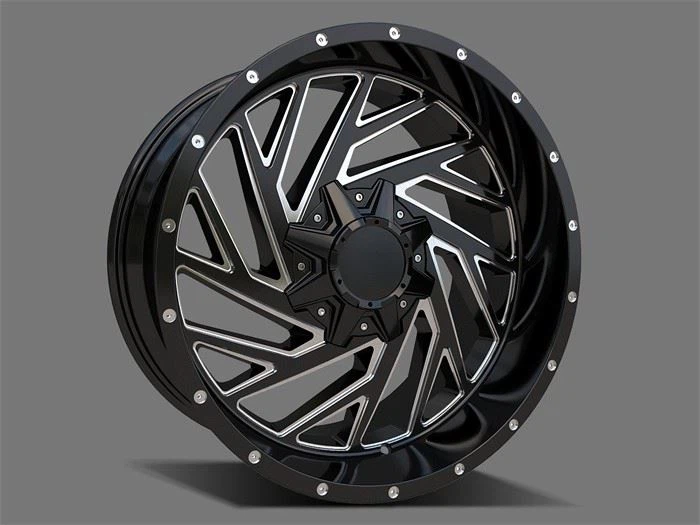
A replica wheel is a type of replacement wheel that is designed to look like the original wheel that comes with the vehicle. Replica wheels are made to the same specifications as the original wheels and are designed to fit seamlessly on the vehicle. They can come in different sizes, finishes, and styles that match the original wheels or offer a unique look. Replica wheels are especially useful as replacements when the original wheels are damaged or worn out.
Benefits of Replica Wheel
Cost-effective
One of the primary benefits of a replica wheel is that it allows car owners to achieve the look they desire at a more affordable price than the original wheels. Replicas are commonly priced much lower than genuine wheels, thus allowing car enthusiasts to maintain the aesthetic they want without breaking the bank.
Availability
Genuine wheels might be available for a limited time only, making it challenging for car owners to acquire them when they want them. Replica wheels are typically much easier to find and order. Car owners can easily locate replica wheels online or on sites that specialize in aftermarket parts.
Multiple Styles
Replica wheels come in various styles, allowing car owners to choose the style that best fits their vehicle and preference. They come in numerous finishes, sizes, and designs, making them an excellent option for those who want to update the appearance of their ride.
Durable
The materials used in making replica wheels are of high quality, making them tough and long-lasting. Car owners can trust that their replica wheels will withstand the elements and wear and tear of everyday use.


Why Choose Us
Warranty policy
The long-term warranty is designed to give consumers more confidence that their purchases and services will continue to be valid.
Rich experience
With more than 15 years of experience in wheel design and mold development, production, export, excellent quality control and strong purchasing capabilities.
Quality assurance
Quality-oriented, customer-centered, international market-oriented" is always our top priority.
Fantastic customer service
Our terms of work have always been fixed within the work process and one can be assured about the guarantee of the work as we are there 24/7 business hours during the time your project is being worked is on.
Replica wheels can be as strong and durable as OEM wheels, but it depends on the quality of the replica and the materials used in its construction. A high-quality replica made with durable materials and a precise manufacturing process can be just as reliable as an OEM wheel, while a lower-quality replica may be more prone to bending or cracking.
Types of Replica Wheel
Aftermarket Replica Wheels
These are wheels that are designed to imitate the original wheels that come with your vehicle. These wheels are typically made by third-party companies. They are often less expensive than OEM wheels and offer a wider variety of styles and finishes.
High Performance Replica Wheels
These wheels are designed for high-performance vehicles. They are typically lighter and stronger than OEM wheels, allowing for better acceleration and handling. High performance replica wheels are often made from materials like carbon fiber or forged aluminum.
Custom Replica Wheels
These wheels are designed to be unique and stand out. They are often created with a unique finish, such as chrome or colored powder coating. Custom replica wheels are a great way to personalize your vehicle and make it your own.
Off-road Replica Wheels
These wheels are designed for off-road use. They are typically larger and stronger than OEM wheels, allowing for better performance on rough terrain. Off-road replica wheels are often made from materials like steel or forged aluminum for enhanced durability.
Racing Replica Wheels
These are replicas of wheels used in racing applications. They are designed to be lightweight and durable, with wide rims and low profiles for maximum contact with the pavement. Racing replica wheels are often made from high-strength materials like carbon fiber or forged aluminum.
Replica wheels are made from various materials including aluminum alloy, steel, and carbon fiber. The choice of material may depend on factors such as cost, weight, strength, and design aesthetics. Aluminum alloy wheels are popular because they are lightweight and strong, making them ideal for improving vehicle performance. Steel wheels are heavier but more durable and cheaper. Carbon fiber wheels are the lightest and strongest, but also the most expensive option.

Are Replica Wheels Compatible With All Vehicles

They have the same dimensions, offsets, bolt patterns, center holes, and other specifications. This does not necessarily mean that replica wheel are compatible with all vehicles. Compatibility of replica wheel depends on their size, offset, bolt pattern and center hole size. Vehicles have specific requirements for these measurements and if these measurements are not compatible with replica wheel then they will not fit or function properly. Wheels that have a different offset than the original wheels can negatively affect your vehicle's stability and handling. It is essential to match the specifications of your original wheels to guarantee proper fit and performance.
Designing The Wheel
The first step in making replica wheels is designing the wheel. The design is created using computer-aided design (CAD) software, which allows designers to create detailed 3D models of the wheel.
Creating A Prototype
Once the design is finalized, a prototype of the wheel is created using either a 3D printer or a CNC machine. The prototype is used to test the design and ensure that it meets the necessary specifications.
Creating A Mold
Once the prototype is approved, a mold is created from the prototype. The mold is typically made of steel and is used to produce multiple copies of the wheel.
Pouring the aluminum
The mold is then filled with molten aluminum using a process called gravity casting. The aluminum is poured into the mold and allowed to cool and harden.
Machining the wheel
Once the wheel has cooled and hardened, it is removed from the mold and the excess aluminum is removed using a CNC machine. The machined wheel is then cleaned and prepped for paint or other finishing processes.
Finishing the wheel
The final step in making replica wheels is finishing the wheel. The wheel may be painted or powder-coated to match the original design, or it may be left unfinished for a more raw or industrial look.
Can Replica Wheels Be Customized
Customization of replica wheels can include painting, powder-coating, or adding vinyl wraps to change their appearance. Different colors, patterns, and finishes can be applied to give the wheels a unique look. Some people may also choose to add customized center caps to their wheels with logos or designs that match their vehicle or personal style. Replica wheels can be customized in terms of their size and offset. This means that the wheels can be made in different sizes or with different offsets to fit a specific vehicle or achieve a specific look.
How Frequently Should Replica Wheels Be Replaced
Regular maintenance is crucial to prolonging the life of a replica wheel. Drivers must inspect their wheels regularly for any cracks, bends, or other damage that can compromise the wheel's integrity. Replica wheels should be replaced every five to six years or when they have traveled more than 60,000 miles. This timeline may vary depending on the quality of the replica wheel, driving conditions, and regular maintenance.
Are Replica Wheels Compatible With TPMS Sensors
Replica wheels can be compatible with TPMS (Tire Pressure Monitoring Systems) sensors as long as they are made with the same specifications as the original wheels. If the replica wheels are made from lower-quality materials, they may not be able to accurately communicate with the sensors, leading to incorrect readings or malfunctioning.
Tips For Choosing Replica Wheel

Check the Material
The material of replica wheels is an important factor to consider as it determines the wheel's durability and weight. The common wheel materials are aluminum, steel, and alloy. Choose a material that suits your driving needs.

Look at the Wheel Size
Check the size of the wheel that will fit your car, as getting the wrong size can affect the car's performance and ride quality. You can check the car manufacturer's manual for the wheel size specification.

Determine the Wheel Finishing
Replica wheels come in different finishes such as chrome, painted, and brushed. A good finish is essential, as it enhances the car's appearance.

Check the Weight of the Wheel
It is important to check for the wheel's weight, as heavy wheels can affect acceleration, braking, and overall handling. Choose a lightweight replica wheel that provides better performance.
Start by removing the wheel from the car. Use a wrench to loosen the lug nuts, and then lift the wheel off the car. Use a hose or a bucket of soapy water to wash the wheel thoroughly. Be sure to remove any dirt, brake dust, or other debris that may have accumulated on the surface. If the wheel has stubborn stains or grime, you may need to use a specialized wheel cleaner. Rinse the wheel with clean water and dry it with a soft, clean towel. Be sure to remove any water spots or streaks from the surface of the wheel. To maintain the appearance of your replica wheel, you should protect it with a coat of wax. Apply a thin layer of wax to the surface of the wheel and let it dry to a haze. Buff the wheel with a clean towel until it shines. Check the rim for dents, scratches, or cracks, and make sure that the lug nuts are tightened to the recommended torque specifications.
Make sure that the replica wheels are compatible with your vehicle's make and model, and follow the manufacturer's specifications regarding size, load rating, and other factors. Check the wheel's condition before using it. Inspect for cracks, dents, and any other signs of wear or damage. Make sure that the wheel is structurally sound. Check the air pressure of your tires regularly to maintain proper inflation. Underinflation can damage the replica wheel, while overinflation can cause a blowout. Avoid hitting curbs, potholes, or other obstacles while driving to reduce the risk of damage to the replica wheel. Keep the replica wheel clean and free of contaminants, such as brake dust and road salt, which can cause corrosion and damage to the finish. Regularly inspect your replica wheels for signs of damage or wear and replace them as needed to ensure safe and reliable performance.
A vehicle with replica wheels should perform and handle similarly to one with original wheels. Replicas may not always adhere to the same standards as original wheels. They may be less durable or not as well balanced, which could result in a slightly rougher ride or more frequent need for wheel maintenance. It is also important to ensure that replica wheels are properly fitted to a vehicle and that the appropriate tire size and pressure are used, as this can affect handling and performance. A vehicle with replica wheels should handle and perform similarly to one with original wheels, as long as the replicas are of good quality and properly installed.
Our Factory
Focusing on the design, development and production of aluminum alloy wheels, supplying the sizes from 12" to 30", with SAE, TUV, VIA, TS16949 certification, exporting to all over the world including U.S. ,Southeast Asia, Europe, South America, Australia, etc.

FAQ
As one of the most professional replica wheel manufacturers and suppliers in China, we're featured by quality products and low price. Please rest assured to buy discount replica wheel for sale here and get pricelist from our factory. Also, customized service is available.
