


What is Staggered Wheels
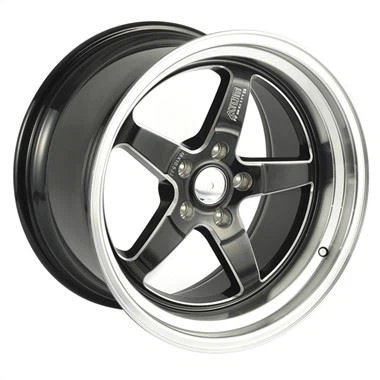
Staggered wheels refer to a wheel setup in which the front and rear wheels have different widths. This type of wheel setup is commonly used in high-performance cars to improve traction, handling, and stability. The purpose of staggered wheels is to allow for larger and wider wheels at the back of the car for better grip and stability during acceleration, while also maintaining precise steering and handling. The front wheels are typically narrower than the back wheels, which helps to reduce weight and minimize steering effort. Staggered wheels are designed to enhance the driving experience and provide improved performance on the road.
Benefits of Staggered Wheels
Improved Traction
Staggered wheels provide better traction and handling on the road because of their wider rear tires. The increased contact patch of the rear tires provides better grip and stability, especially during acceleration and cornering.
Enhanced Performance
Staggered wheels can improve the performance of your vehicle by reducing its weight and lowering its center of gravity. This helps to improve its handling, acceleration and braking performance.
Reduced Oversteer
Staggered wheels reduce oversteer, which occurs when the rear wheels lose traction and cause the car to spin out. With a wider rear tire, the car is less likely to oversteer, improving its safety and stability.
Better Brake Cooling
Larger rear wheels provide better brake cooling, reducing the heat generated during braking, which in turn increases the lifespan of the brakes and improves overall vehicle performance.


Warranty Policy
The long-term warranty is designed to give consumers more confidence that their purchases and services will continue to be valid.
Rrich Experience
With more than 15 years of experience in wheel design and mold development, production, export, excellent quality control and strong purchasing capabilities.
Quality Assurance
"Quality-oriented, customer-centered, international market-oriented" is always our top priority.
Fantastic Customer Service
Our terms of work have always been fixed within the work process and one can be assured about the guarantee of the work as we are there 24/7 business hours during the time your project is being worked is on.
What is The Purpose of Staggered Wheel Design
The purpose of staggered wheel design is to improve a vehicle's handling and performance by using wider wheels and tires on the rear axle than on the front axle. This configuration, commonly found in sports cars and high-performance vehicles, increases the vehicle's traction and stability when accelerating and turning. The wider rear tires provide more grip and help distribute the car's weight more evenly, reducing the risk of oversteer or fishtailing.
What is The Difference Between Staggered Wheels And Other Types of Wheels
Staggered wheels have different widths and sizes on the front and back axles of a vehicle. The wheels on the rear axle are often wider than those on the front. This also improves traction and handling, as the wider tires provide more grip on the road. Other types of wheels, such as symmetrical or square setups, have the same size wheels on all four corners of the vehicle. These types of setups are typically found in more practical and daily-driven vehicles. While symmetrical setups may offer better stability and predictability in handling, staggered setups can provide improved traction and handling in high-speed or performance driving situations.
Feature of Staggered Wheels
The staggered wheels are light in weight, manufactured with high precision, and have small deformation and low inertial resistance when rotating at high speed, which helps to improve the straight-line driving performance of the car and reduce the rolling resistance of the tires, thus reducing fuel consumption. Heat dissipation effect is very good, thus enhancing the braking performance, improving the service life of tires and brake discs, and effectively guaranteeing the safe driving of the car. Very sturdy and durable for improved comfort.
Types of Staggered Wheels
Directional staggered wheels
These wheels have a different tread pattern on the front and rear wheels, which helps to enhance performance and handling. They are usually marked with an arrow indicating the direction of rotation.
Non-directional staggered wheels
These wheels have a similar tread pattern on both the front and rear wheels, but they have different sizes and widths. The goal is to provide more stable handling, improved traction, and a more aggressive stance.
Square staggered wheels
These wheels have the same size and width on all four wheels and are designed for high-performance vehicles that require maximum grip. They provide a balanced and uniform ride, making them ideal for track use and racing.
Deep dish staggered wheels
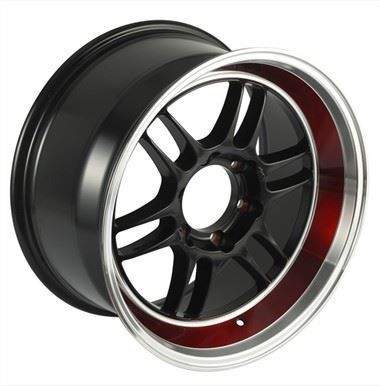
These wheels have a deep lip or rim that extends out from the tire, giving the car a more aggressive stance. They are popular among enthusiasts looking for a more aggressive look for their wheels.
Staggered wheels are typically made from lightweight and durable materials such as aluminum alloy, forged aluminum, or magnesium alloy. These materials are known for their high strength-to-weight ratio, which allows for improved performance and handling on the road or track. Staggered wheels may also feature a carbon fiber construction, which further reduces weight and enhances stiffness. The material of staggered wheels is crucial in determining their overall durability, strength, and performance capabilities.

Can Staggered Wheels Be Retrofitted Onto a Vehicle That Originally Came With Regular Wheels

Staggered wheels can be retrofitted onto a vehicle that originally came with regular wheels. However, it is important to ensure that the new wheels have the correct offset, diameter, and width to avoid any issues with the suspension or handling of the vehicle. It is also important to have the new wheels and tires properly balanced and aligned to ensure optimum performance and safety.
Staggered wheels can be used on various car styles, including sports cars, performance vehicles, and luxury cars. It is primarily used on rear-wheel-drive vehicles to improve traction and handling. Front-wheel-drive and all-wheel-drive cars can also benefit from staggered wheels.
Staggered wheels can be swapped out for a non-staggered setup. It is important to ensure that the new non-staggered setup is compatible with the specific vehicle and meets wheel size and tire size specifications. Changing the wheel and tire setup can affect the vehicle's handling and may require adjustments to the suspension and alignment. It is important to check with a professional before making any changes to ensure the new wheels are compatible with the vehicle and will not affect its performance or safety.
Staggered wheel weight is important because it affects the overall performance and handling of the vehicle. Staggered wheels are those where the rear wheels are wider than the front wheels. This difference in wheel size can cause an imbalance in weight distribution, affecting the car's stability, handling, and braking performance. If the rear wheels are too heavy, the weight distribution can become uneven, causing the car to oversteer and increasing the risk of losing control of the vehicle. If the front wheels are too heavy, this can cause the car to understeer and also decrease handling and maneuverability.
Staggered wheels are not suitable for use in harsh weather conditions, such as ice and snow. Staggered wheels have different tire sizes on the front and rear of the vehicle, which can impact the handling and performance in poor weather. The wider rear tires can cause the vehicle to lose traction and slide in slippery conditions, making it more difficult to control. The difference in tire size can also cause uneven wear and tear on the tires, reducing their lifespan. It is recommended to use a set of matched wheels and tires specifically designed for winter driving in harsh weather conditions.
Determine The Purpose Of Your Vehicle
The size and configuration of your staggered wheels should depend on the intended use of your vehicle. If you use your car for daily commutes, you may want to go for a smaller wheel size. If you use your car for racing purposes, larger wheels would be ideal.
Understand Tire Size
When choosing staggered wheels, it's important to balance the front and rear wheel sizes for optimal performance and handling. The rear wheels should be wider than the front wheels, but the overall diameter should remain the same to ensure proper fit and performance.
Consider the car's suspension
Your vehicle's suspension type and setup determines how it will handle different wheel sizes. Make sure the staggered wheel size you choose does not exceed your vehicle's maximum recommended tire size.
Factors to consider for configuration
The configuration you choose will impact the performance and handling of your vehicle. A wider wheel in the rear and narrower wheel in front, for instance, is ideal for enhanced traction in high-speed turning.
Test for fitment
Test fitment of staggered wheel size on your vehicle before purchase. This will help you ensure that the wheel size and configuration you select will fit your vehicle's wheel wells, and that the suspension and brakes are not obstructed.
Maintenance Tips for Staggered Wheels
Regularly check the tire pressure
Maintaining the correct tire pressure is essential for the optimum performance of staggered wheels and to prevent unnecessary wear and tear. Check the tire pressure regularly and adjust it as necessary.

Rotate the tires regularly
Staggered wheels have different sizes on the front and back, which means that they cannot be rotated in the conventional manner. You should still rotate the tires, swapping the front and back pairs every 6,000 to 8,000 miles.

Keep the wheels clean and well-maintained
Regular cleaning and maintenance of your staggered wheels will help prolong their lifespan and keep them looking good. Use a mild soap and water to clean the wheels, and avoid using abrasive materials that could scratch the finish.

Regularly inspect the wheels for damage
Perform regular visual inspections of your staggered wheels, including checking for cracks, dents, or other damage. If you notice any issues, have them professionally inspected and repaired as soon as possible to prevent further damage.
How Important is it To Ensure Proper Tire Fitment With Staggered Wheels
It is crucial to ensure proper tire fitment with staggered wheels. Staggered wheels refer to installing larger wheels and tires on the rear axle of a vehicle, which is a popular modification among car enthusiasts. If the tire fitment is not correct, it can negatively impact the handling, traction, and safety of the vehicle. The front and rear tires have different tire sizes and tread patterns, which affect the vehicle's balance and grip on the road. Improper fitment can also cause the tires to wear out quickly and unevenly, compromising the longevity and performance of the tires.
Working Principle of Staggered Wheels
The basic principle of staggered wheels is to create a wider contact patch for the rear wheels. The wider contact patch allows for better traction and grip, especially when accelerating or cornering. This is because the larger surface area of the tire's contact with the road allows for more force to be applied without causing the tire to lose traction.
Our Factory
Focusing on the design, development and production of aluminum alloy wheels, supplying the sizes from 12" to 30", with SAE, TUV, VIA, TS16949 certification, exporting to all over the world including U.S. ,Southeast Asia, Europe, South America, Australia, etc.

FAQ
As one of the most professional staggered wheels manufacturers and suppliers in China, we're featured by quality products and low price. Please rest assured to buy discount staggered wheels for sale here and get pricelist from our factory. Also, customized service is available.
